Family-Friendly Drunken Noodles Everyone Will Enjoy

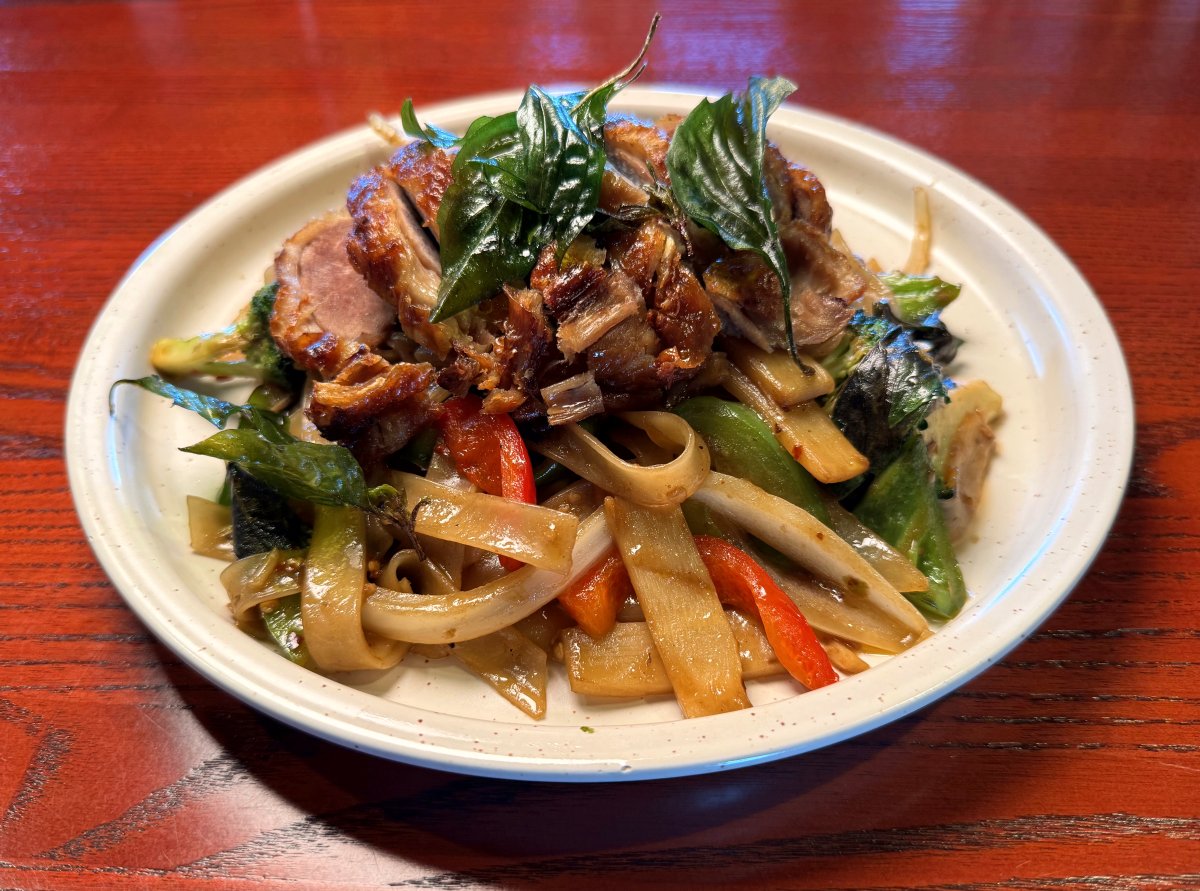
Drunken Noodles have a reputation for bold heat, sharp aromatics, and a late-night takeout personality that does not always sound especially kid-friendly. That reputation is only half the story. At home, this dish is surprisingly adaptable. With a few smart adjustments, you can keep everything people love about Drunken Noodles, the chewy rice noodles, glossy sauce, tender bites of protein, and sweet basil perfume, while easing back on the spice and tuning the flavors for a family table.
I have cooked versions of this dish in busy weeknight kitchens, for adults who wanted the real fire and for children who would rather negotiate every green fleck in the bowl. The best family-style version is not bland, and it is not a compromise in the sad sense of the word. It simply leans on balance. A little sweetness softens the edges, a little extra sauce keeps the noodles silky, and a careful order of cooking protects texture so the final pan tastes intentional rather than toned down.
The result is the kind of dinner that can bridge ages. Adults still get depth and complexity. Kids get slurpable noodles with familiar ingredients and none of the aggressive burn that sends them diving for milk. It is one of those rare meals that feels lively enough for a Friday and practical enough for a Tuesday.
What makes Drunken Noodles so appealing
Drunken Noodles, often associated with Thai pad kee mao, are built around contrast. Wide rice noodles bring chew and body. The sauce usually combines salty, savory, lightly sweet, and gently caramelized notes. Garlic and chilies add bite. Basil adds lift at the very end, which matters more than many people realize. Without that fresh herbal note, the dish can taste heavy.
The family-friendly version should preserve those contrasts. If every sharp edge is removed, the noodles flatten into generic stir-fry. What you want instead is a softer landing. That means dialing the spice down, not erasing it. It means choosing vegetables that stay slightly crisp and sweet. It also means using enough sauce to coat the noodles without drowning them, because rice noodles can quickly turn sticky and dull if they sit dry in the pan.
There is also a practical reason this dish works well for families. It is fast. Once the ingredients are prepped, the cooking takes minutes. That speed helps on weeknights, but it also means children are more likely to enjoy the textures before the noodles tighten and clump. Drunken Noodles are at their best hot from the pan, still glossy, basil just wilted, steam carrying garlic through the kitchen.
The trick is not less flavor, it is better balance
When cooks try to make spicy dishes family-friendly, they often strip away the elements that give them identity. The answer is usually not fewer ingredients. It is better proportion.
Start with the chilies. A small amount of mild chili or even a pinch of red pepper flakes can keep the dish from tasting flat without making it hot. If your family truly prefers no heat, you can rely more on black pepper and garlic for liveliness. The dish will change, but it can still be excellent. I have made pans with almost no chili at all for younger children, then finished the adults' portions with sliced fresh chili or chili crisp at the table. That approach keeps the main skillet inclusive while leaving room for stronger preferences.
Sweetness matters too, and here many home cooks undershoot. A modest amount of brown sugar, palm sugar, or even honey can round out salty sauces and help children accept basil and vegetables they might otherwise push aside. You are not trying to make the noodles sweet. You are trying to make the flavors feel connected.
The same goes for acidity. Some versions of Drunken Noodles include little to no obvious sour note, but a tiny squeeze of lime at the end can brighten a heavy sauce, especially if you have reduced the chilies. Used carefully, it wakes everything up without making the dish taste like a lime noodle bowl.
Choosing ingredients that actually work for mixed ages
The beauty of home cooking is that you can be strategic. You do not need to mimic a restaurant pan exactly. You need a version that tastes good and survives contact with real family preferences.
Wide rice noodles are ideal because they carry sauce well and feel satisfying. Fresh wide rice noodles are wonderful if you can find them, though they can tear if handled roughly. Dried wide rice noodles are more widely available and often easier for beginners because you control the soak. The main mistake is over-softening them before they hit the pan. Rice noodles continue to soften as they cook, so they should be pliable rather than mushy when they go into the wok or skillet.
For protein, chicken is the easiest bridge ingredient for families. Thinly sliced thighs stay juicy and flavor the pan well. Breast meat works if sliced thin and cooked carefully, though it dries out faster. Shrimp cooks beautifully in Drunken Noodles, but not every child likes the texture. Tofu is another strong option, especially if crisped first. Ground chicken or turkey can also work for very young eaters because it distributes through the noodles and feels less intimidating than strips of meat.
Vegetables deserve some thought. Baby corn and Thai eggplant may be classic in some versions, but they are not always crowd-pleasers for children. Broccoli, bell peppers, carrots, snap peas, and zucchini are easier sells. They also bring natural sweetness, which helps the dish feel friendlier. The best mix is usually two or three vegetables rather than a refrigerator-cleanout assortment. Too many vegetables release too much water and dilute the sauce.
Basil is non-negotiable for me, though the type can vary. Thai basil gives the most recognizable anise-like aroma. Italian basil is softer and sweeter, but still delicious and much easier to find. If you have only Italian basil, use it confidently. The dish will shift a little, but it will still taste fresh and vibrant.
The sauce that keeps everyone at the table
A good family-style sauce should be savory first, then lightly sweet, then aromatic. Fish sauce is traditional and extremely effective, but it can be divisive if overused. Soy sauce gives backbone. Oyster sauce adds body and a subtle sweetness that children often respond to without realizing it. A little sugar ties everything together.
I like a sauce that lands somewhere between glossy and clingy. If it is too salty, the dish feels grown-up in the wrong way, sharp rather than satisfying. If it is too sweet, it loses its identity and veers toward generic stir-fry noodles. There is a narrow middle, but once you hit it, the whole dish makes sense.
One detail worth emphasizing is dilution. Mixing your sauce with a splash of water or low-sodium broth gives you more control. It helps the noodles loosen in the pan and prevents pockets of intensely salty sauce. This is especially useful when cooking with dried noodles, which often need a little extra moisture at the finish.
Why technique matters more than most recipes admit
Many mediocre noodle dishes fail because the pan is crowded or the timing is off by sixty seconds. That sounds fussy, but in practice it is simple. Prepare everything before the burner goes on. Slice the protein, wash the basil, stir the sauce, and have the noodles drained and ready. Once the cooking starts, you will not have time to rummage through a cabinet.
The pan itself matters less than people think. A wok is excellent, but a large, heavy skillet works well too. What matters is heat and space. If the vegetables steam instead of sear, the whole dish tastes softer and wetter than it should.
The order is also important. Protein goes in first, then comes out if necessary. Aromatics go in next, but only briefly. Garlic can go from fragrant to bitter in moments. Vegetables follow, with the harder ones getting a head start. Noodles and sauce go in near the end, and basil is last, just long enough to wilt and perfume the pan.
For family cooking, I often use a slightly gentler heat than I would for a restaurant-style stir-fry. That sounds counterintuitive, but it gives more margin for error, especially if children are nearby, homework is happening, or you are interrupted mid-cook. A roaring-hot wok is wonderful when you can give it your full attention. A strong, steady skillet heat is often more realistic at home.
A reliable method for weeknights
If you want a version that lands consistently, this is the sequence that works in ordinary kitchens.
- Soak or prepare the rice noodles until just pliable, then drain and set aside with a tiny bit of oil if needed to prevent sticking.
- Stir together soy sauce, oyster sauce, a smaller amount of fish sauce, sugar, and a splash of water.
- Cook the protein first, remove it if the pan feels crowded, then briefly sauté garlic and any mild chili.
- Add vegetables, return the protein, then toss in noodles and sauce until glossy and evenly coated.
- Fold in basil at the end and adjust with a squeeze of lime or an extra spoonful of water if the noodles tighten.
That sequence solves most home-cooking problems before they start. The noodles stay intact, the protein stays tender, and the basil keeps its fresh character.
How to make it appealing to children without cooking two dinners
The easiest mistake is building the dish around what adults want, then scooping out a “kid portion” at the last minute. By then the flavors are set, and a child who is wary of spice, basil, or visible vegetables can spot the problem immediately.
A better strategy is to design the base for the whole table, then customize after plating. Make the main batch mildly seasoned and well-sauced. Slice vegetables into shapes that are easy to eat, thin strips of bell pepper, small broccoli florets, half-moons of zucchini. Cut chicken into bite-size pieces rather than long strips that tangle around noodles. Then offer optional heat and extra fish sauce at the table for adults.
Texture is often a bigger issue for children than flavor. Overcooked vegetables, tough chicken, or gummy noodles cause more rejection than basil ever will. If a child likes plain noodles, reserve a small handful before combining everything, then toss those noodles lightly with the cooked chicken and a spoonful of sauce. This is not making a second meal. It is using the same pan to create a softer on-ramp.
I have also found that naming matters less than serving style. A child who resists “spicy Thai noodles” may happily eat “basil chicken noodles.” The bowl is the same, but the expectation shifts. Family cooking is full of these small, sensible adjustments.
Common pitfalls and how to avoid them
Most disappointing Drunken Noodles come down to a handful of repeat problems.
- Over-soaked noodles turn pasty and break apart in the pan.
- Too much sauce makes the dish soupy instead of glossy.
- Too little sauce leaves the noodles dry and sticky.
- Excess fish sauce can dominate the whole pan.
- Adding basil too early robs the dish of its fresh finish.
These sound obvious once you have made the dish a few times, but they are easy traps for first attempts. The rice noodles are especially unforgiving. If they seem slightly too firm before stir-frying, that is often exactly right. If they already feel fully tender in the colander, they are on borrowed time.
Another issue is salt stacking. Soy sauce, oyster sauce, and fish sauce all bring sodium, and brand differences are real. The safest approach is to start lighter than you think you need. You can always add a splash more at the end. You cannot pull it back once the noodles absorb it.
Ingredient swaps that still respect the dish
Families often cook from what is available, not from an ideal shopping list. Fortunately, Drunken Noodles are flexible as long as you preserve the broad shape of the dish.
If you cannot find wide rice noodles, other flat rice noodles can work. Even linguine has been pressed into service in plenty of home kitchens, though the result is no longer classic and the texture will be different. It is still better to make a good noodle dinner than abandon the idea because one ingredient is missing.
If fish sauce is off the table because of preference or allergy, increase soy sauce slightly and consider a touch more oyster sauce if that fits your needs. The flavor will not be identical, but it can still have savory depth. For vegetarian households, mushroom-based stir-fry sauce can help replace some of that umami.
If basil is scarce, use what you have rather than skipping herbs entirely. A mix of Italian basil and a small amount of fresh mint can be surprisingly effective, though mint should be used with restraint. It can quickly take over.
For vegetables, choose based on sweetness and cooking speed. Bell peppers, carrots cut thin, snap peas, https://blogfreely.net/ripinnjybw/spicy-thai-drunken-noodles-with-fresh-chili-and-basil and broccoli are dependable. Mushrooms add savoriness and help satisfy adults if the chili has been toned down.
Serving it so it feels complete
This dish is rich enough to stand on its own, but a few small serving choices make it more successful for families. A bowl is better than a plate because the noodles stay warmer and are easier to gather. Lime wedges on the side let adults brighten their portions without forcing acidity on everyone. Extra basil leaves scattered at the table can make the dish look fresher and more inviting.
If you are feeding a range of ages, keep drinks simple and cold. Water, iced tea, or milk for younger children all work. A crunchy cucumber side can also help if the weather is warm or if you kept a bit more chili in the pan than intended. I would not turn dinner into a production with many side dishes. One reason Drunken Noodles earn repeat status in family kitchens is that they feel abundant without requiring a second wave of cooking.
Leftovers are decent, though never as good as the first serving. Rice noodles tend to firm up after chilling. If you reheat them, use a skillet and a splash of water rather than a microwave blast that tightens the noodles around the edges and leaves the middle cold. A fresh handful of basil added after reheating revives the dish more than people expect.
When to lean bolder and when to keep it gentle
Not every family-friendly version has to be the same. Some nights call for maximum ease. On those evenings, keep the vegetable count low, use chicken, and season mildly. Other nights, especially if you know your children are in a more adventurous mood, you can edge closer to a more traditional profile. Add sliced chili to half the pan, use Thai basil if you have it, or include a vegetable that is slightly more assertive.
That judgment is part of becoming comfortable with the dish. Recipes can give structure, but the best home cooks read the room. A child who had a long school day may want familiar textures and gentle flavors. Guests may be thrilled by stronger basil and a little more heat. Drunken Noodles are accommodating enough to meet both moods, which is one reason they deserve a place in regular rotation.
The dish also teaches useful kitchen instincts. You learn to control noodle texture, to balance salty and sweet, to finish with fresh herbs, and to trust your senses over rigid timing. When the sauce smells rounded, the vegetables are just tender, and the basil releases its fragrance into the steam, you know you are close.
A dinner that grows with your family
Some meals are best filed under “for grown-ups.” Others become so simplified for children that adults eat them out of duty. Family-Friendly Drunken Noodles can avoid both traps. They are lively, practical, and easy to adjust as tastes evolve. A five-year-old may want the mildest bowl on the table. A teenager may ask for extra chili. The core recipe can hold both.
That flexibility is what makes the dish genuinely useful, not just trendy or restaurant-inspired. It respects the original spirit of Drunken Noodles while making room for ordinary family life, different spice tolerances, crowded weeknights, and imperfect grocery runs. And when you get it right, when the noodles are tender but springy, the chicken juicy, the vegetables bright, and the basil fragrant, nobody cares that the heat was pulled back a notch. They just reach for another forkful.
Nakhon Luang Thai Kitchen
Address: 805 Village Center Dr, Colorado Springs, CO 80919
Phone number: +17195315175
FAQ About Drunken Noodles
What makes it drunken noodles?
Drunken noodles, or Pad Kee Mao, get their name from the Thai word khi mao (meaning "drunkard"). They contain no alcohol. The name comes from the idea that the dish is a popular late-night meal to cure a hangover or a great food to eat with a cold beer.
What is the difference between pad see ew and drunken noodles?
While both Pad See Ew and Drunken Noodles use the same wide rice noodles, Pad See Ew is a mild, sweet-savory dish made with dark soy sauce and Chinese broccoli, whereas Drunken Noodles (Pad Kee Mao) are fiery, garlicky, and herbaceous with fresh chilies and Thai basil.
What are traditional drunken noodles?
Traditional drunken noodles, known as Pad Kee Mao in Thai, are a fiery, savory street food stir-fry made with wide flat rice noodles, fresh garlic, lots of hot chilies, meat or tofu, and fragrant holy basil. Despite the name, they contain no alcohol; the dish is traditionally eaten late at night or as a hangover cure because the intense spice helps clear the head.
Corrections
Spot something wrong? Send it to the desk and it gets fixed in the open.